

Article: 7 Easy Haircare Habits for Healthier-Looking Hair

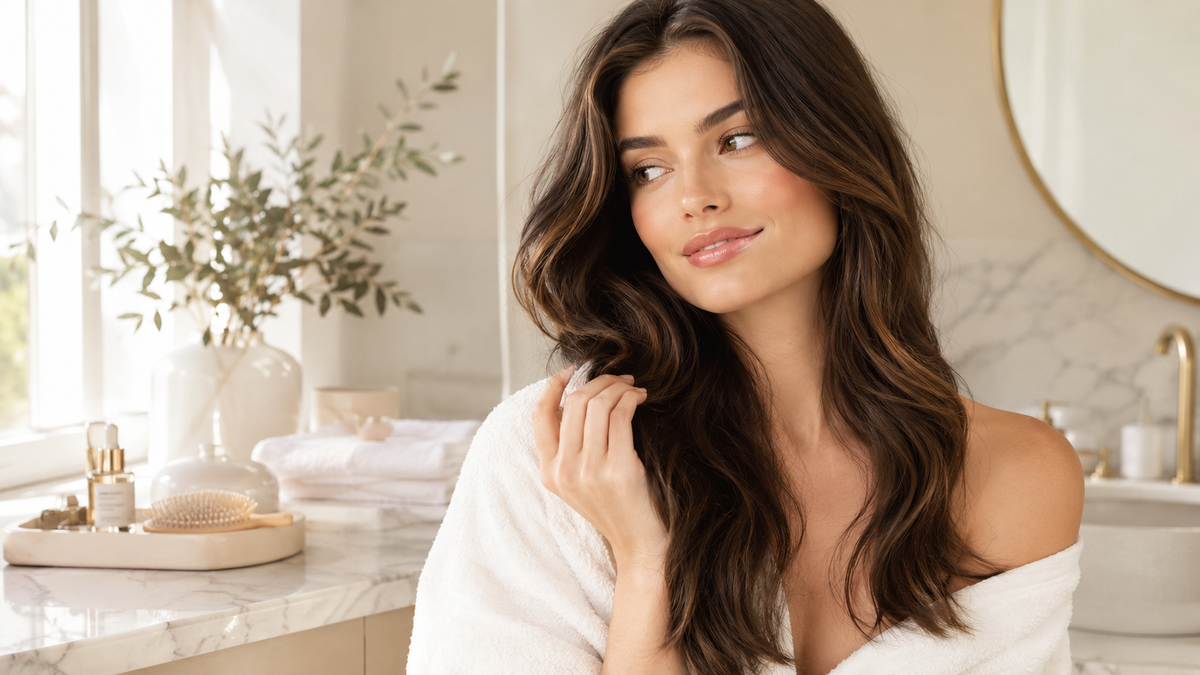
7 Easy Haircare Habits for Healthier-Looking Hair
Healthy-looking hair rarely comes from one miracle product. More often, it comes from the little things you do consistently—how you wash, dry, style, protect, and care for your scalp.
In 2026, haircare is becoming less about chasing complicated routines and more about paying attention to the health of the hair and scalp. Current beauty coverage is putting more emphasis on scalp care, targeted treatments, gentler styling, and hair that looks polished without feeling overly styled.
The good news? You don't need a bathroom full of products to get started. A few thoughtful habits can make your routine easier while helping your hair look smoother, fresher, and more manageable.
Here are seven simple haircare habits worth making part of your routine this year.
1. Start With Your Scalp
It's easy to focus entirely on the lengths and ends of your hair, but your scalp deserves attention too. After all, hair grows from follicles in the scalp, so keeping the scalp clean and comfortable is an important part of a well-rounded haircare routine.
Pay attention to how your scalp feels between washes. Excess oil, sweat, styling products, and buildup can all make your hair feel less fresh.
When washing, take a moment to gently massage your scalp with your fingertips rather than aggressively scrubbing. If you enjoy the feeling of a dedicated scalp massager, it can also turn an ordinary wash into a more relaxing self-care ritual.

ELAVESA tip:
Don't think of scalp care as a separate chore. Add it to something you already do, such as your regular shampoo routine.
2. Wash According to Your Hair and Scalp Needs
There isn't one perfect washing schedule for everyone.
Someone with an oily scalp may need to wash more frequently, while someone with dry or textured hair may prefer more time between washes. Your hair type, scalp condition, lifestyle, exercise habits, and styling routine all matter.
Instead of following a strict calendar, pay attention to what your hair is telling you.
Does your scalp feel oily or uncomfortable? Does your hair feel dry after washing? Are you noticing significant product buildup?
Those observations can help you find a routine that works better for you.
And one common misconception is worth clearing up: washing your hair more often doesn't make it grow faster. Hair growth is primarily influenced by factors such as genetics, age, and individual hair cycles. Good scalp hygiene supports a healthy environment, but it isn't a shortcut to faster growth.
3. Be Gentler With Wet Hair
Wet hair is more vulnerable to stretching and breakage, so this is one area where being a little more patient can make a difference.
Instead of vigorously rubbing your hair with a towel, gently squeeze out excess water. A soft towel or microfiber towel can help reduce friction.
And when you're detangling, start at the ends and gradually work your way upward. This is much kinder to knots than dragging a brush from the roots down.
It sounds simple, but these small changes can make your everyday routine feel much less rough on your hair.
4. Give Your Hair a Break From Excessive Heat
Hot tools can create beautiful styles, but frequent high-heat styling can also contribute to dryness and damage.
If you regularly use a blow dryer, straightener, curling iron, or other heated tool, use an appropriate heat protectant and avoid unnecessarily high temperatures.
Better yet, mix your styling routine up.
Try air-drying when practical. Experiment with low-heat styles. Or explore heatless styling when you want curls or waves without reaching for a hot tool.
The 2026 hair conversation is increasingly leaning toward healthier-looking, natural movement rather than hair that looks overly stiff or heavily manipulated.
ELAVESA tip:
Your hair doesn't need to look perfectly styled every day. Sometimes letting its natural texture show is the easier—and kinder—choice.
5. Make Scalp Massage Part of Your Routine
A scalp massage can be one of the simplest ways to make haircare feel more like self-care.
Use gentle movements rather than pressing or scratching aggressively. You can massage your scalp while shampooing or incorporate a dedicated scalp massager into your routine according to the product's instructions.
Beyond the practical side of scalp care, there's something genuinely enjoyable about slowing down for a few minutes and giving yourself a little attention.
Scalp-focused haircare has become a major part of the broader 2026 haircare conversation, with consumers increasingly treating the scalp as an important part of their overall hair routine.
Meet Your Haircare Essential
ELAVESA ScalpEase Massager
A simple tool for adding a gentle scalp massage to your everyday haircare ritual. Use it as part of a relaxing wash-day routine or whenever you want to give your scalp a little extra attention.
Shop ScalpEase Massager →
6. Protect Your Hair While You Sleep
Your hair doesn't stop experiencing friction just because you're asleep.
If you tend to wake up with tangles, frizz, or flattened styles, consider making your nighttime routine a little gentler.
A loose hairstyle can be preferable to a tight one, especially if your hair is prone to tension or breakage. Satin or silk accessories can also help reduce friction compared with rougher fabrics.
The goal isn't to create another complicated beauty ritual. It's simply to give your hair a little protection during the hours when you're not thinking about it.
7. Choose Consistency Over Complexity
This may be the most useful tip of all.
It's tempting to keep adding products whenever a new haircare trend appears. One week it's a new mask, the next it's a new serum, and suddenly your bathroom shelf is overflowing.
But a routine doesn't have to be complicated to be effective.
Start with the basics:
- Cleanse according to your scalp and hair needs.
- Condition and moisturize appropriately.
- Treat your hair gently when it's wet.
- Protect it from excessive heat.
- Give your scalp regular attention.
- Avoid unnecessary tension and rough handling.
- Be consistent.
If a routine is easy enough to follow, you're far more likely to stick with it.
A Simple Haircare Routine to Try
If you're not sure where to begin, keep it simple.
Wash Day
Step 1: Cleanse your scalp and hair according to your needs.
Step 2: Gently massage your scalp while washing.
Step 3: Condition the lengths and ends as appropriate for your hair.
Step 4: Gently squeeze out excess water rather than rubbing aggressively.
Step 5: Detangle carefully, starting at the ends.
Styling Day
Step 1: Use a heat protectant if you're using heated styling tools.
Step 2: Keep heat and tension reasonable.
Step 3: Try a heatless style when you want to give your hair a break from hot tools.
Nighttime
Step 1: Gently detangle if needed.
Step 2: Avoid overly tight hairstyles.
Step 3: Use a gentle hair accessory or sleep setup that works for your hair type.
That's it. No complicated 12-step routine required.
A Quick Guide to Your Hair Type
Your hair doesn't need the same routine as everyone else's. A few small adjustments can make your routine more comfortable and practical.
Straight hair
Focus on lightweight products and avoid applying heavy products directly to the roots if your hair becomes oily easily.
Wavy hair
Choose lightweight moisture and avoid excessive brushing when dry, which can disturb your natural wave pattern.
Curly hair
Prioritize moisture, gentle detangling, and techniques that help preserve your natural curl shape without unnecessary friction.
Coily hair
Moisture and gentle handling are especially important. Detangle carefully, minimize unnecessary tension, and consider protective styling when it suits your routine.
Fine hair
Look for lightweight products that won't leave your hair feeling weighed down. Gentle handling is also important because fine strands can be more prone to breakage.
Thick or coarse hair
Your hair may benefit from richer conditioning and extra time spent on detangling and moisture.
The key: hair type is only part of the picture. Your scalp, porosity, texture, lifestyle, and current hair condition also influence what works best. Start with what your hair needs now, then adjust your routine as those needs change.
Quick Haircare Tips
Keep it gentle.
Aggressive brushing, rubbing, or pulling can be hard on your hair.
Listen to your scalp.
Your ideal washing routine depends on your individual needs.
Protect before heat styling.
Heat protectant is an important part of a regular heated-styling routine.
Don't chase every trend.
A product or technique that's popular isn't automatically right for your hair.
Give your hair time.
Healthy-looking hair is usually the result of consistent care, not overnight changes.
You May Also Like
Scalp Care 101: How to Build a Simple Scalp Routine
Discover simple ways to make scalp care part of your everyday haircare ritual.
Heatless Curls: An Easy Way to Style Hair Without Hot Tools
Explore an easy styling approach for creating beautiful-looking waves and curls without relying on heated tools.
How to Create a Simple Nighttime Haircare Routine
Build a relaxing evening routine designed to help you care for your hair before bed.
Frequently Asked Questions
How often should I wash my hair?
There's no universal schedule. Washing frequency depends on your scalp, hair type, lifestyle, exercise habits, and styling routine. Pay attention to how your scalp and hair feel and adjust accordingly.
Does washing your hair make it grow faster?
No. Washing your hair doesn't directly speed up its growth rate. Hair growth is influenced primarily by factors such as genetics, age, and individual hair cycles. Regular cleansing can help maintain scalp hygiene, but it isn't a hair-growth shortcut.
Is scalp care important for healthy-looking hair?
Yes. The scalp is where hair follicles are located, so caring for the scalp is an important part of maintaining a well-rounded haircare routine.
How can I reduce damage from heat styling?
Use an appropriate heat protectant, avoid unnecessarily high temperatures, limit excessive heat exposure, and incorporate heatless or low-heat styling when practical.
Is heatless styling better for your hair?
Heatless styling can be a useful way to reduce exposure to heated styling tools. However, technique still matters—avoid styles that create excessive pulling or tension, and choose an approach that suits your hair type.
Your Haircare Routine Doesn't Need to Be Complicated
The best routine is one you can actually live with.
You don't need to follow every new trend or buy every product that appears on your feed. Start with the fundamentals, pay attention to your scalp and hair, be gentle when you handle it, and give your routine enough time to become a habit.
Healthy-looking hair is less about perfection and more about consistent care.
And honestly, there's something nice about that. A few minutes of thoughtful haircare can become more than another task on your list—it can be a small moment in your day that belongs entirely to you.